🚚 Free Worldwide Shipping on All Orders!Shop Now
Native American Beadwork
"Takes Alive" Family Knife Sheath and Knife
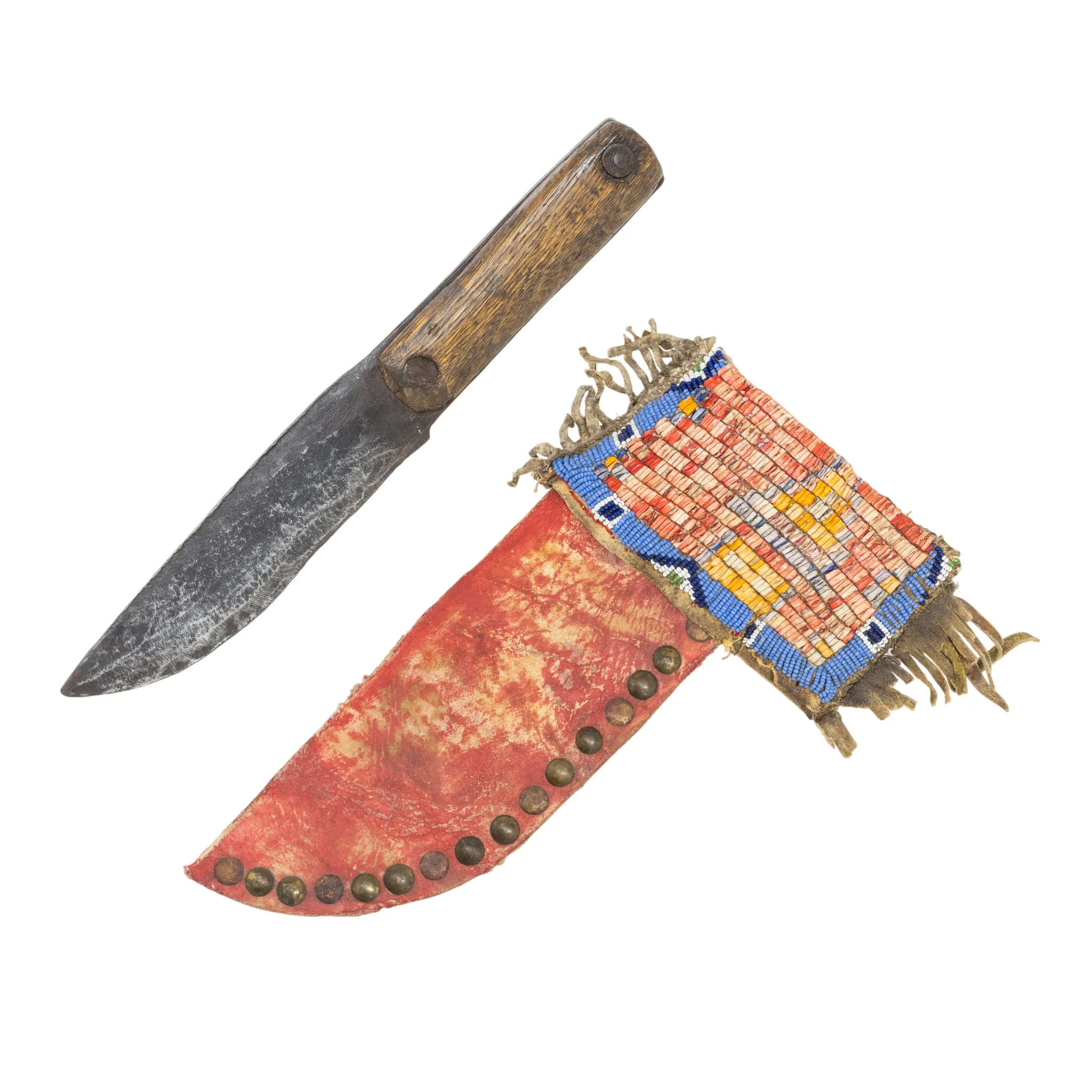
Cheyenne River Reservation knife and sheath. Circa 1870's. From the Cheyenne River Reservation.
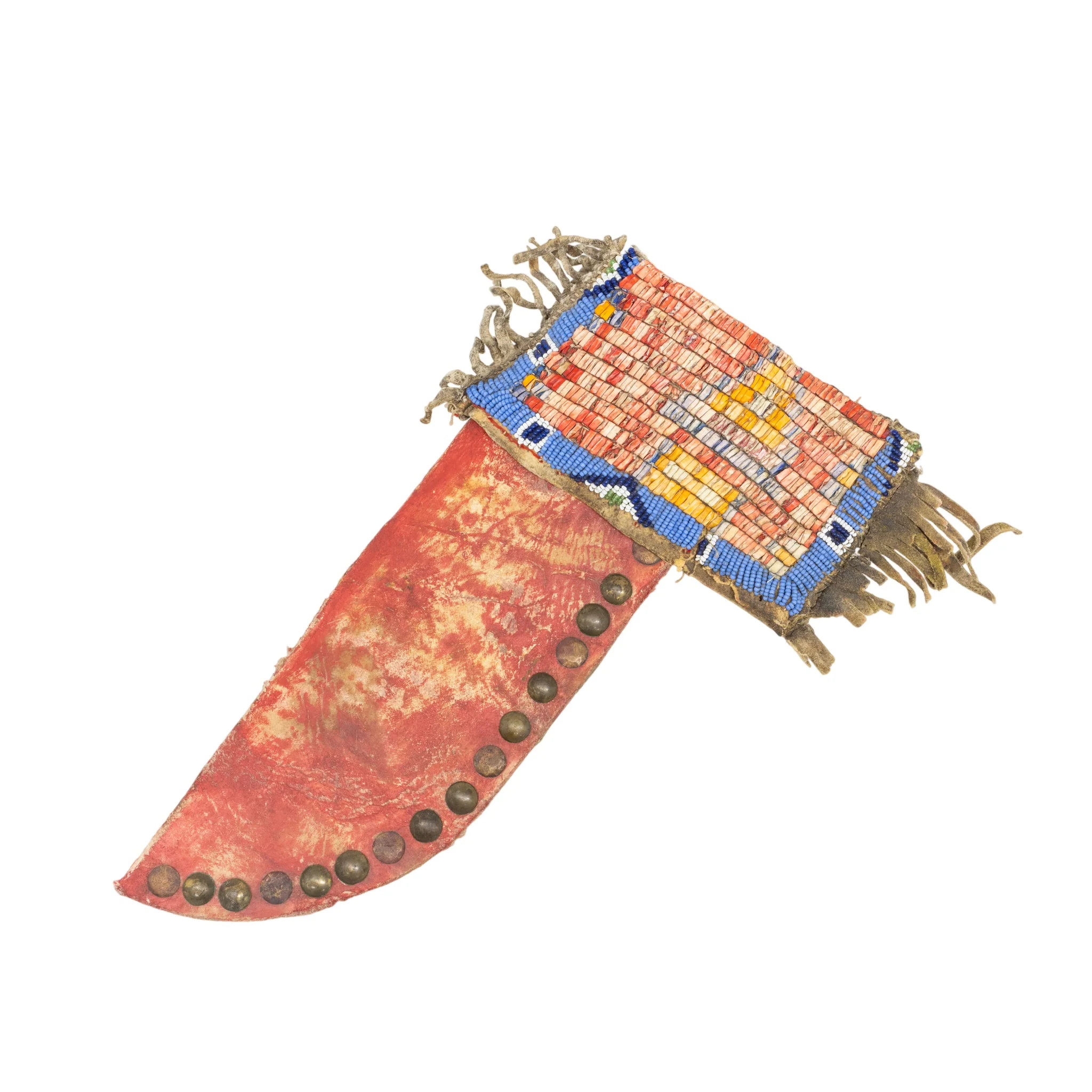
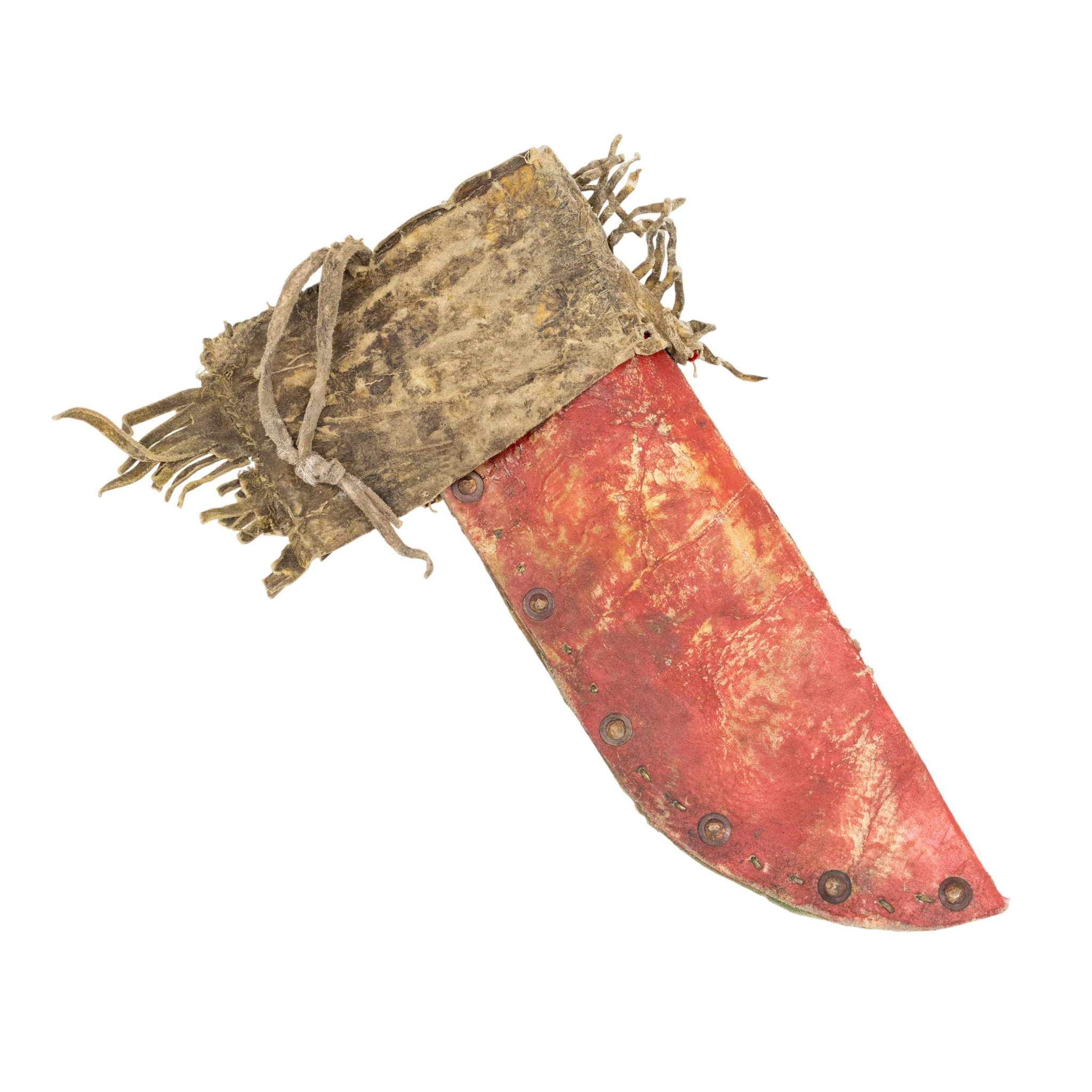
The top of the knife case having quilled cuff from an arm band. Decorated in quill and lazy stitch beading. The case itself is Buffalo rawhide. With brass tack and copper rivets.
Red trade color remains strongly in place. The trade vermillion color had been earlier brought West by Lewis and Clark. Vermillion was highly sought after by Native Americans of the period. Vermillion was a brilliant red color used in trading.
A former Browning Museum (Montana) piece, there is attached an old paper tag tied to the belt loop which carries the museum description and identification number “A-g-7-19.”
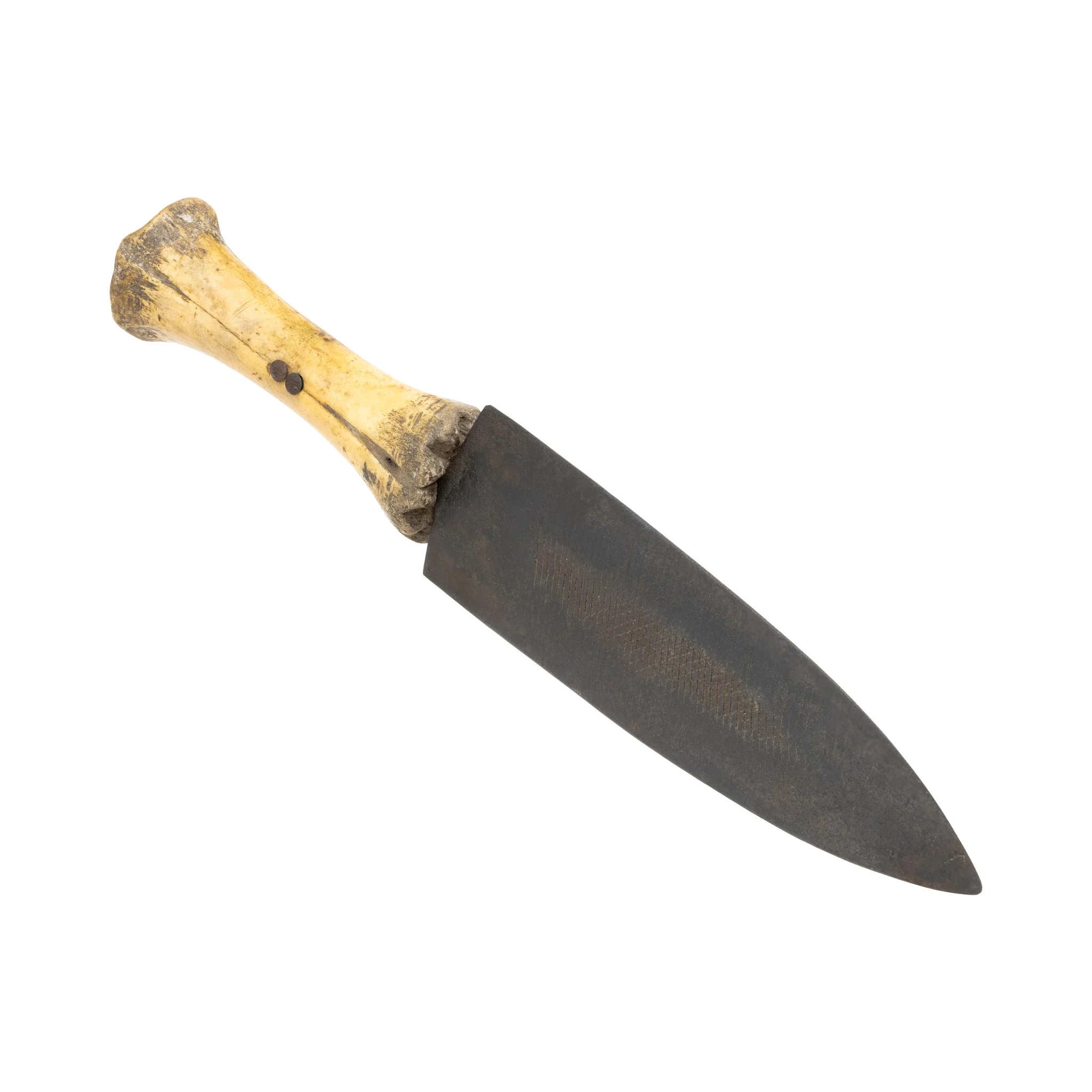
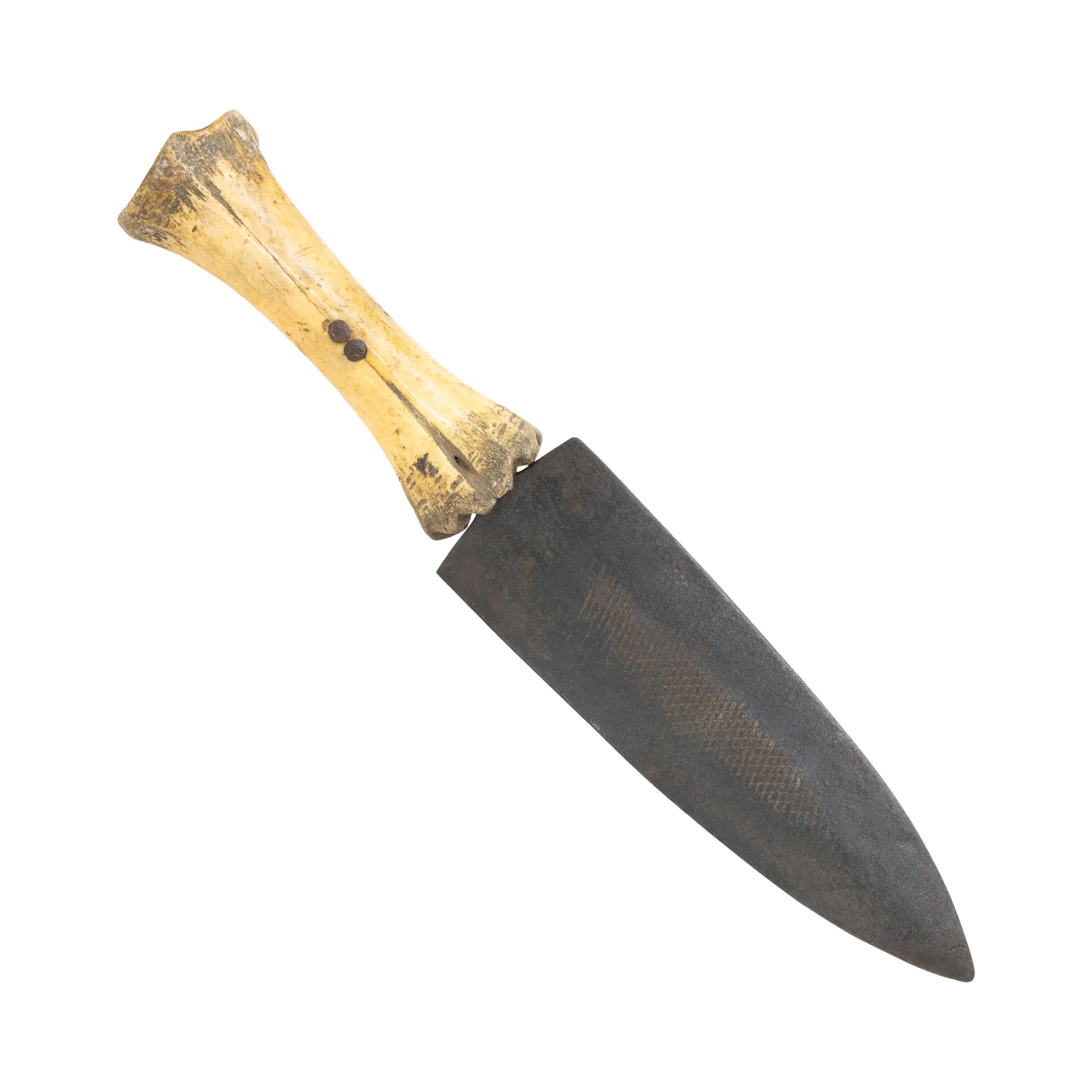
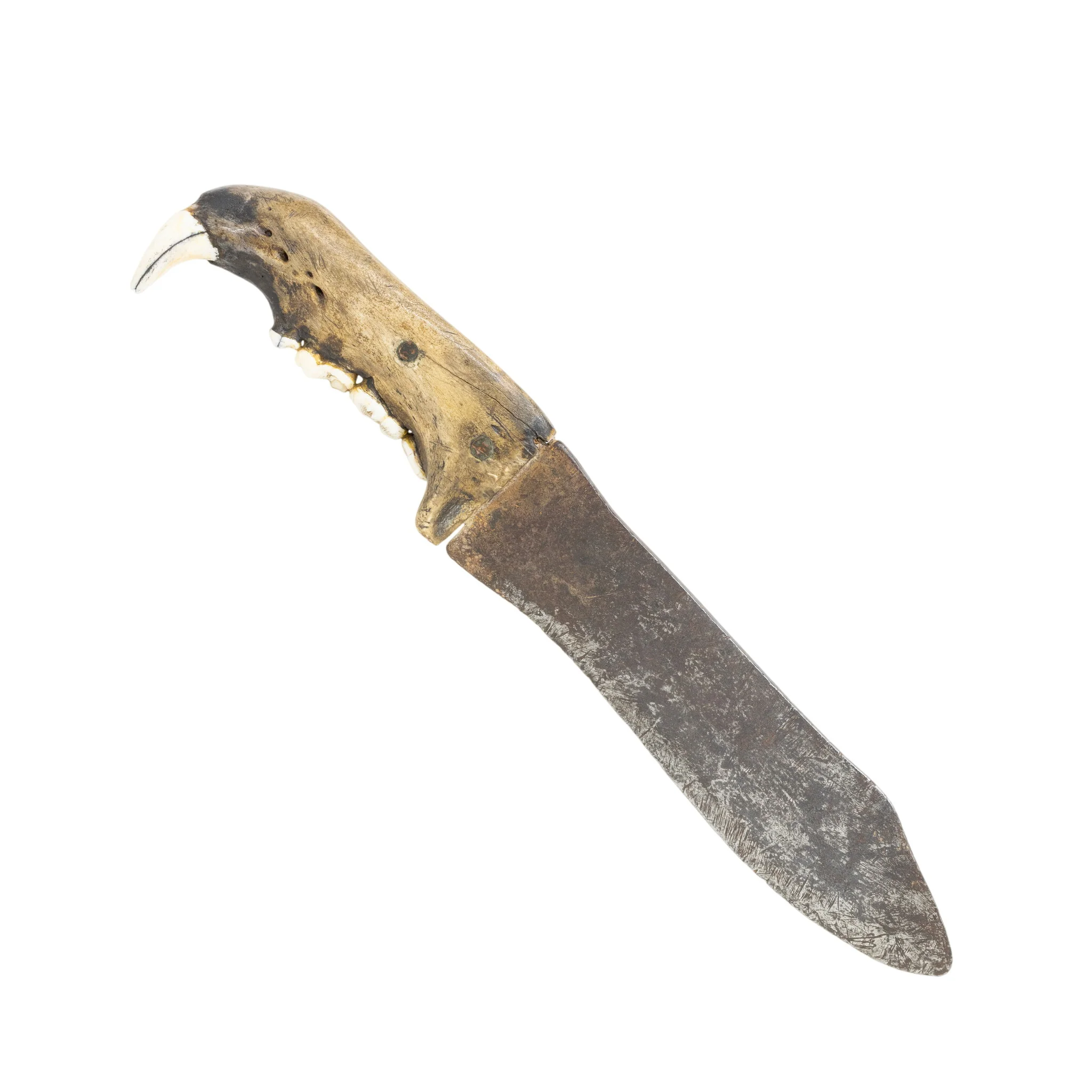
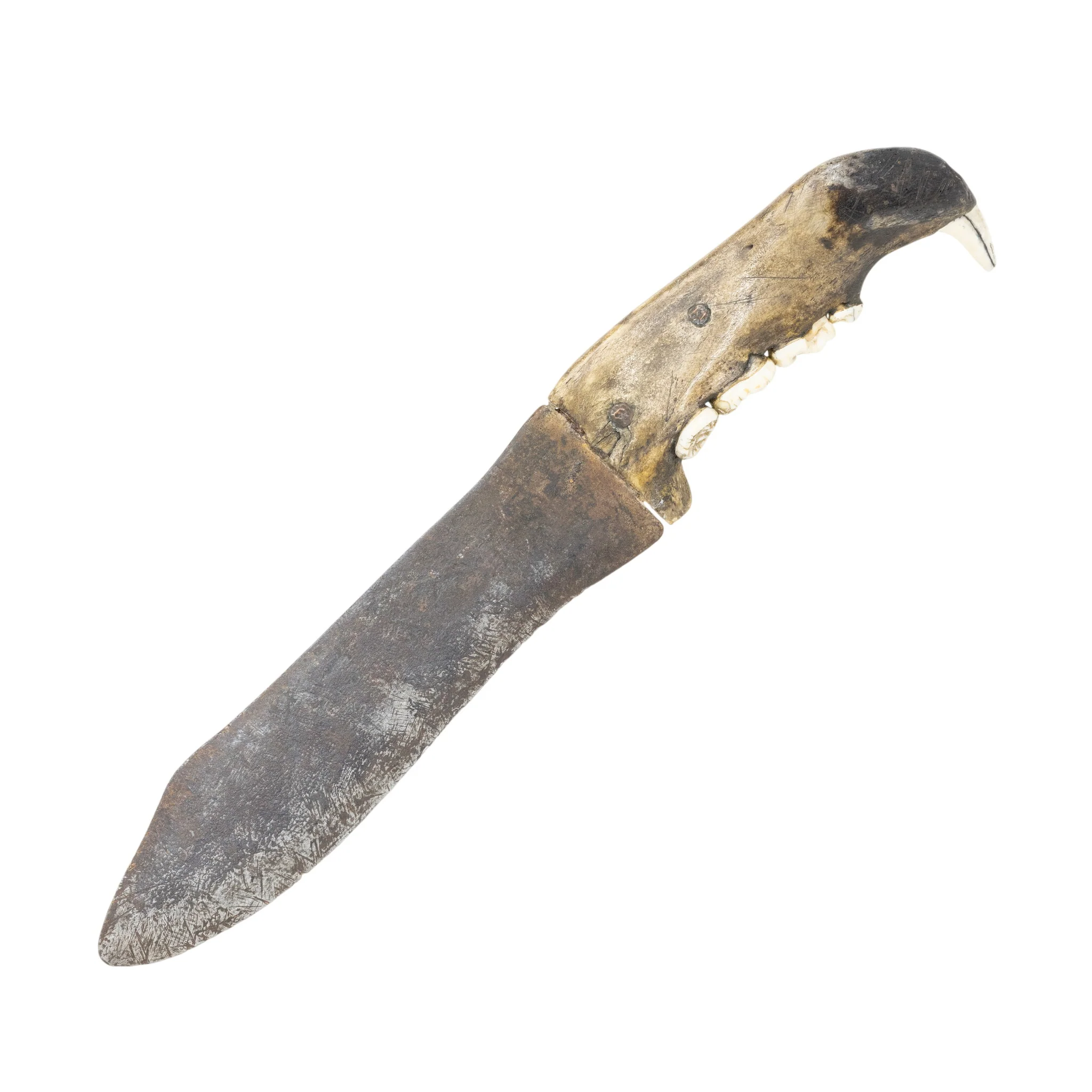
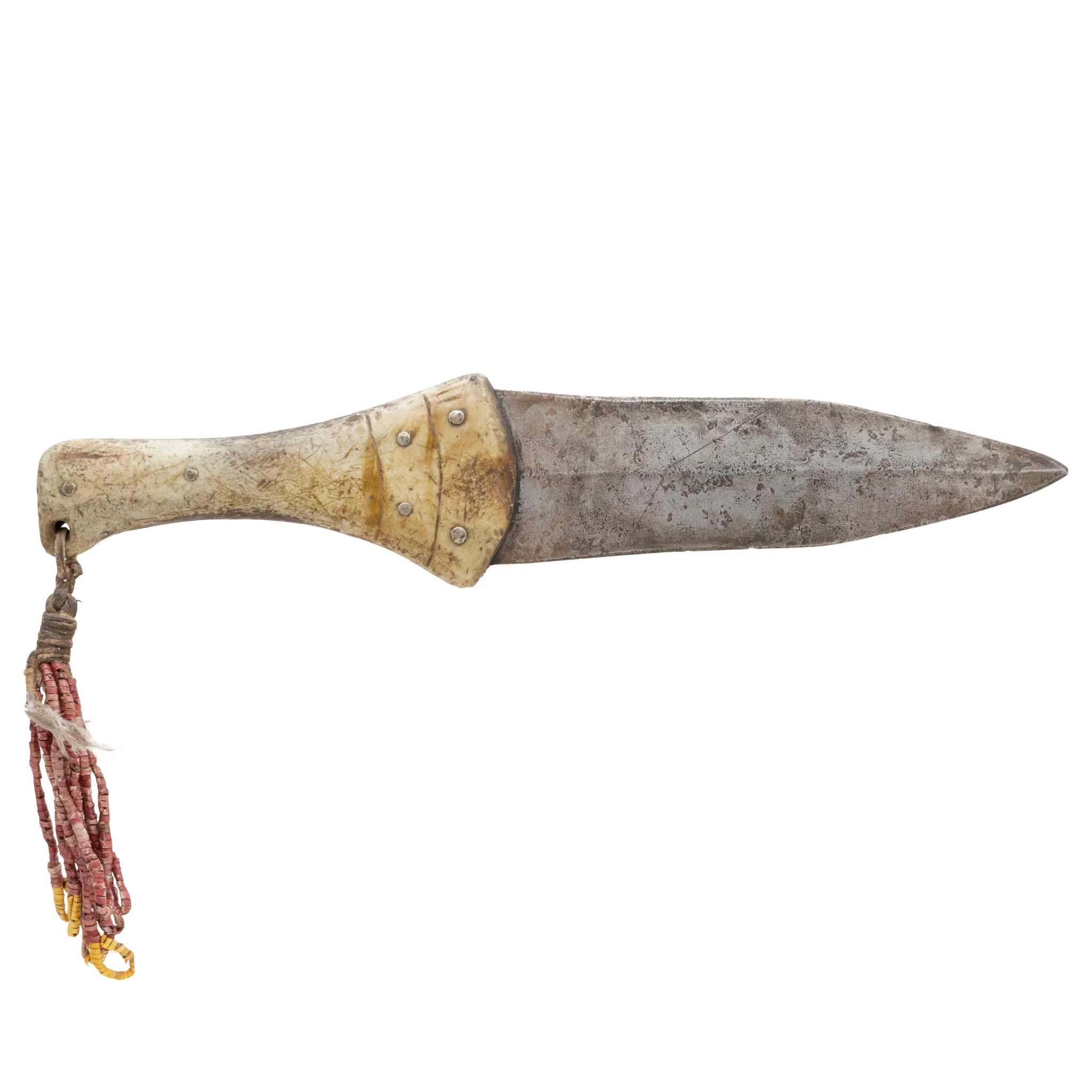
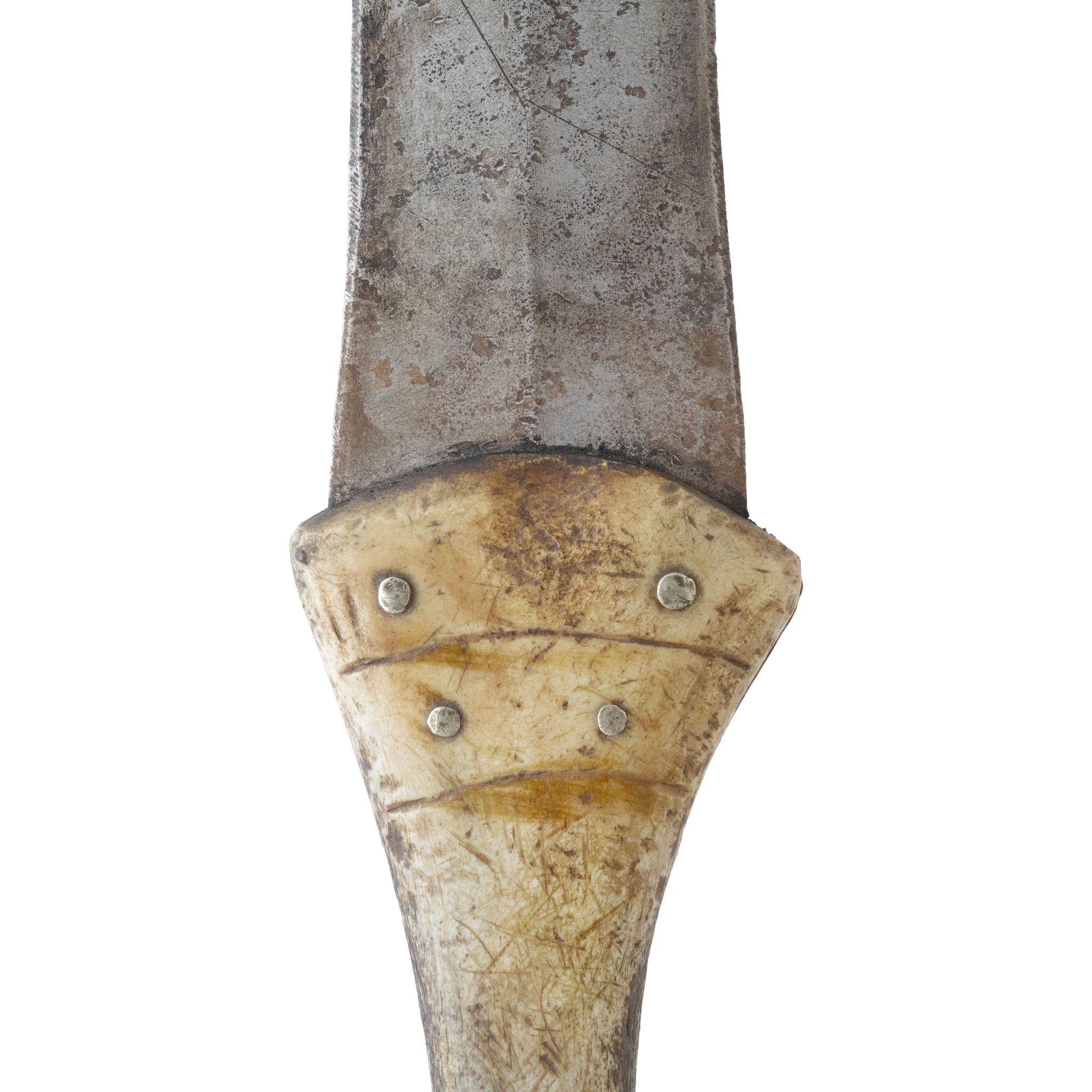
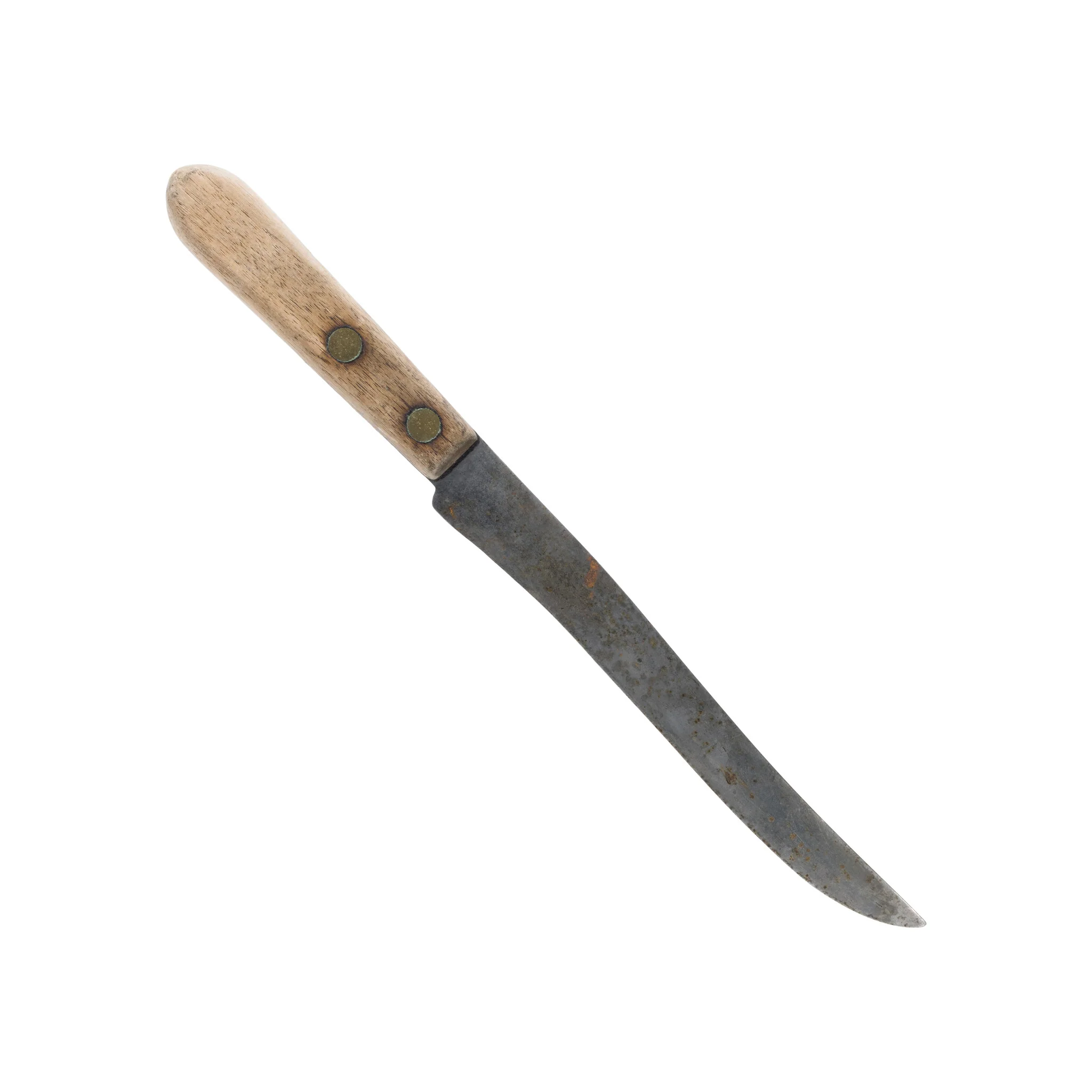
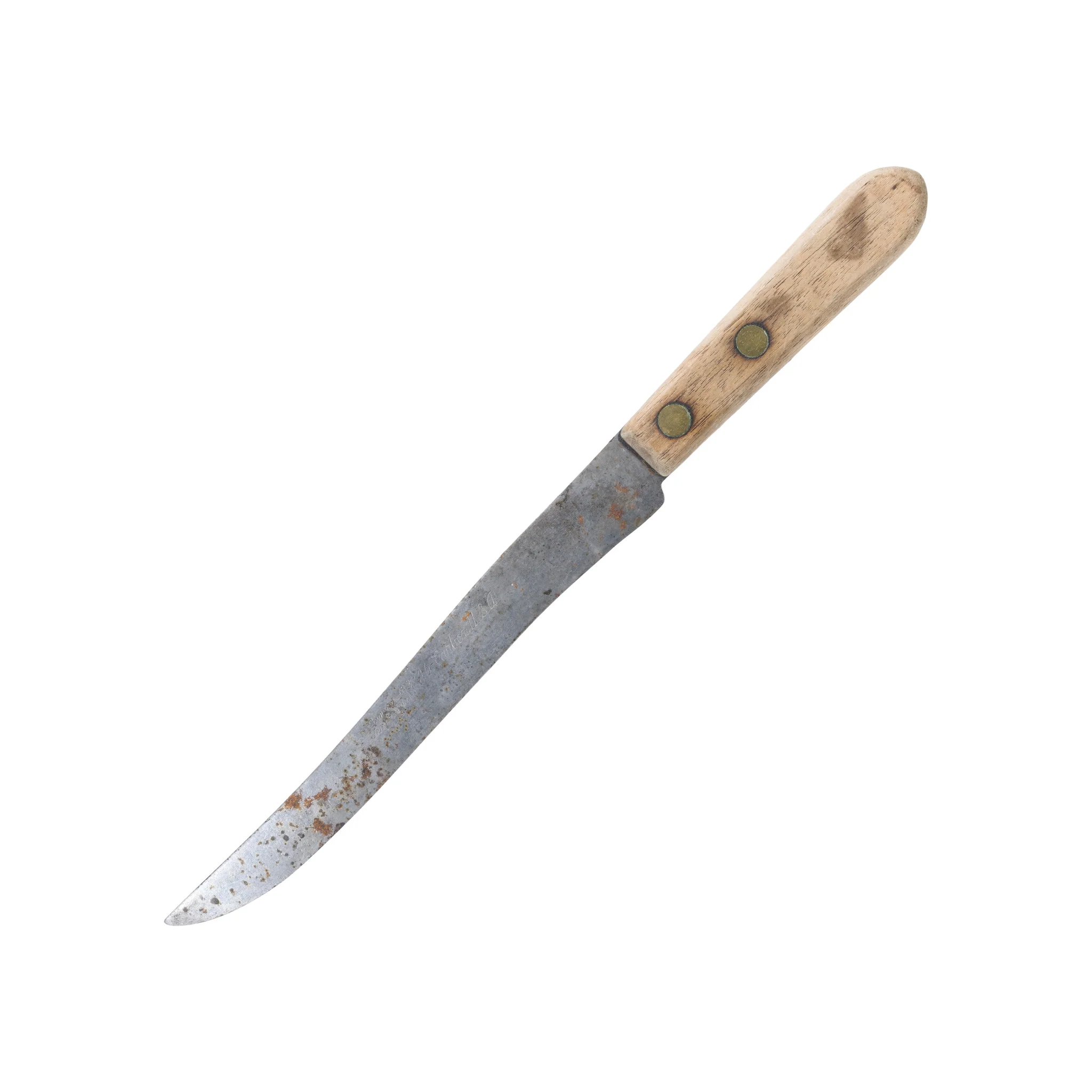
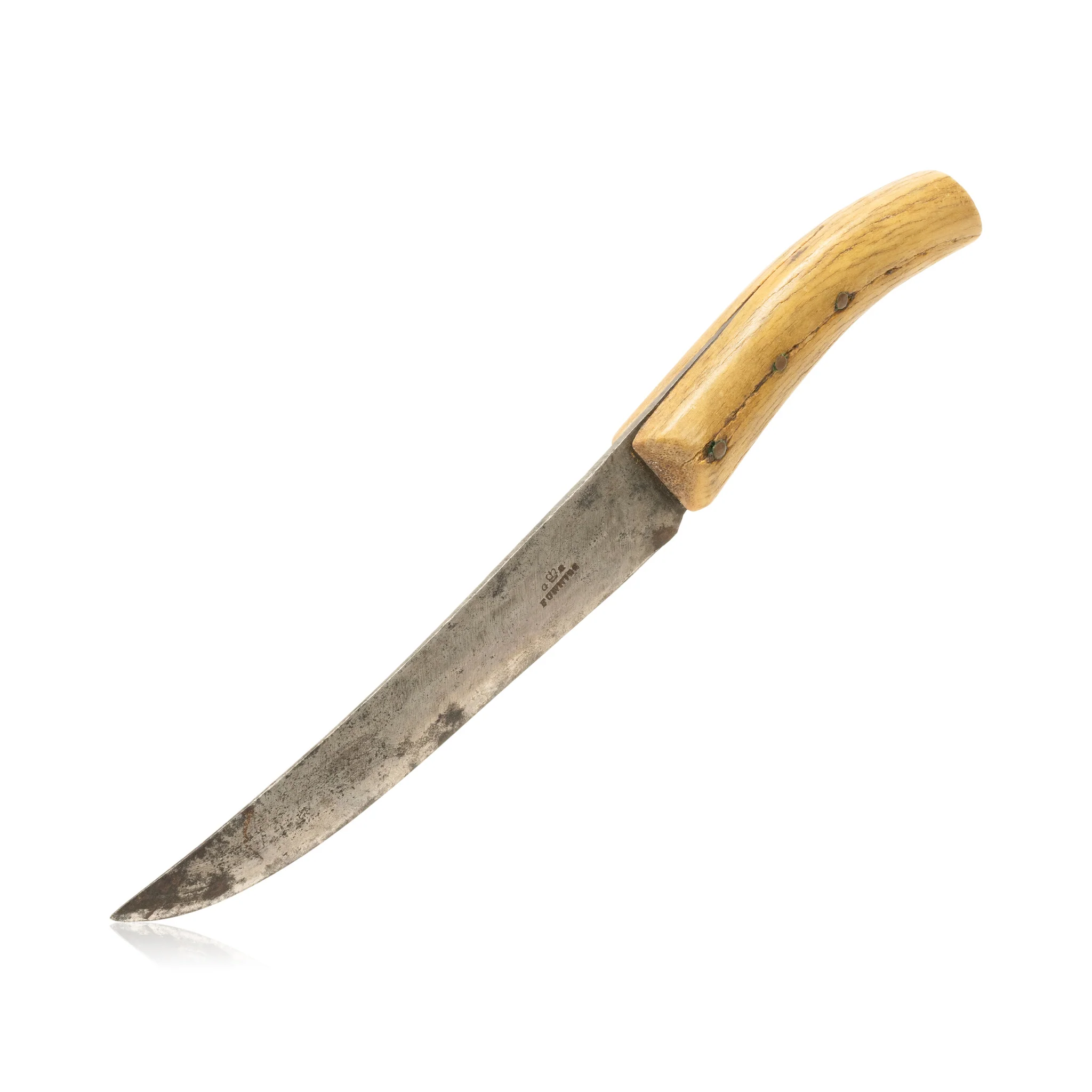
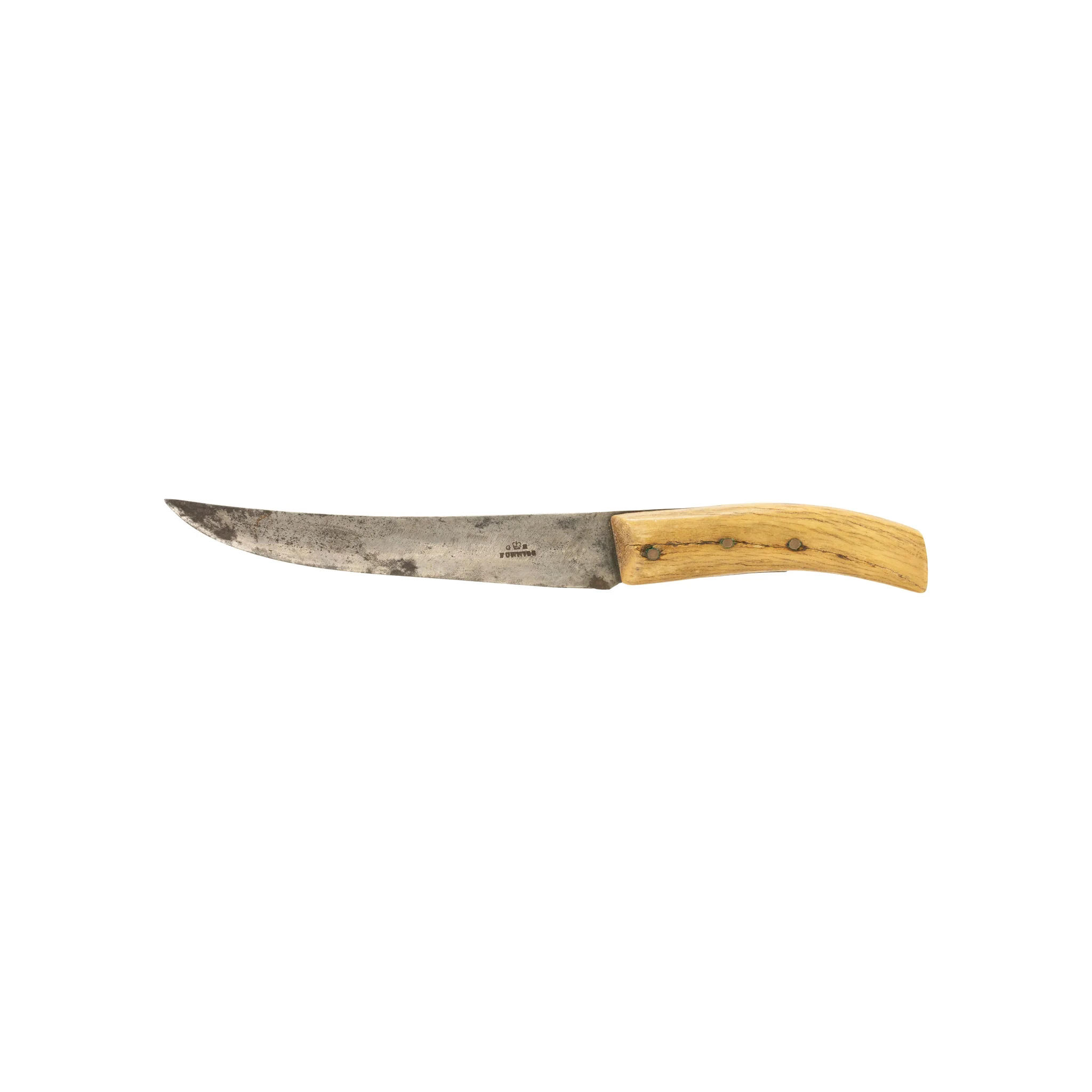
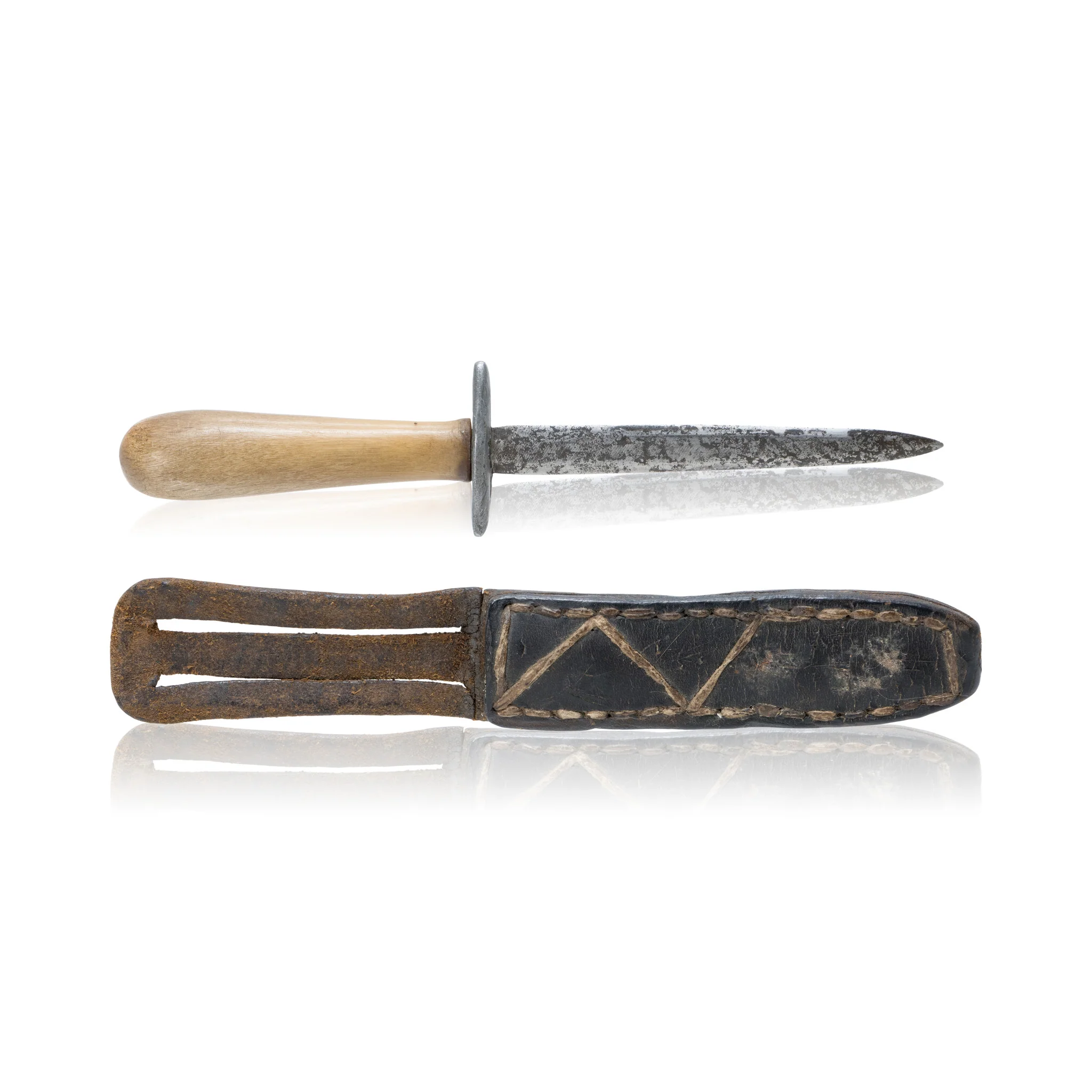
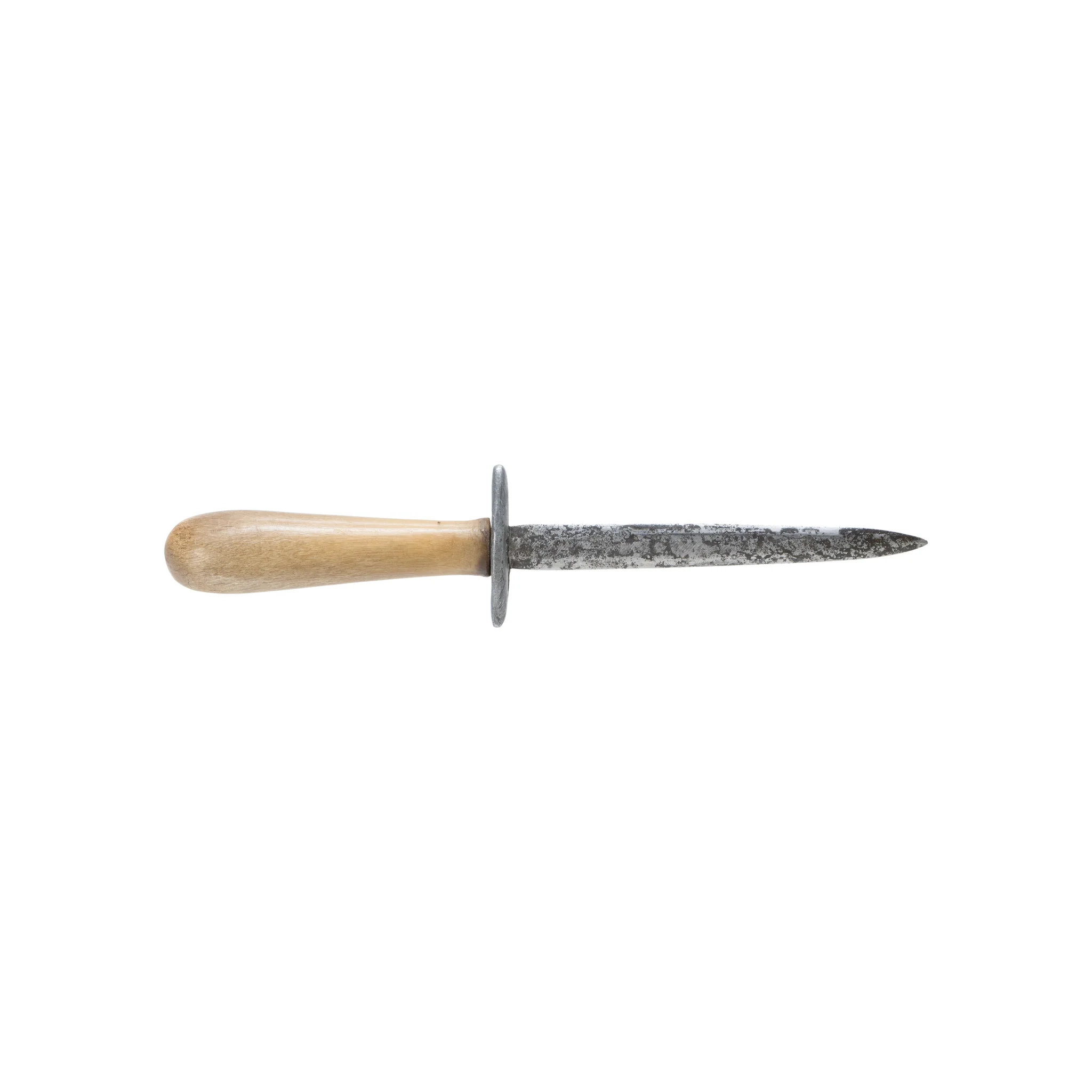
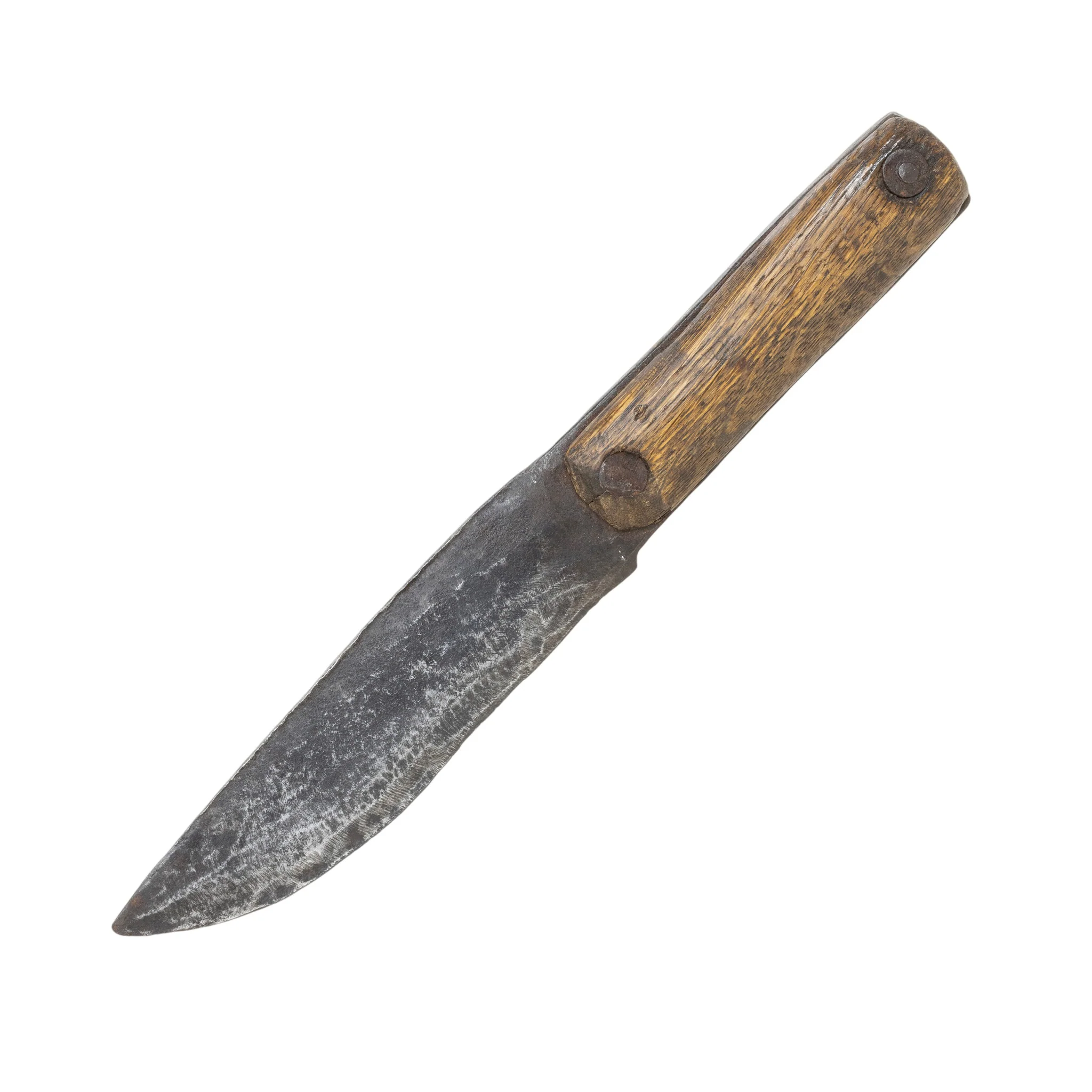
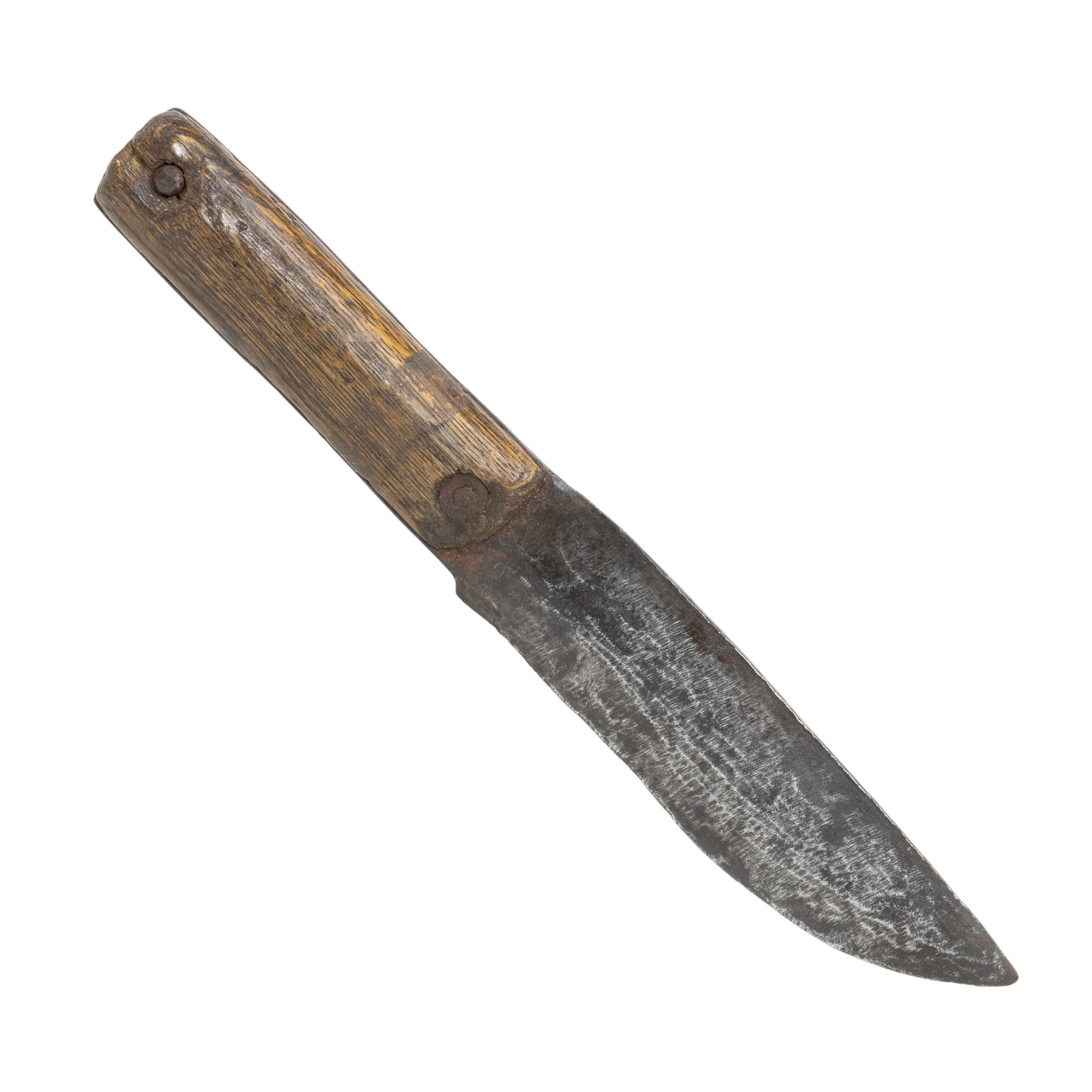
The knife that accompanies the sheath is of the period. Hand forged with a heavy haft attached to a blacksmith made blade, with hand driven rivets.
PERIOD: Late 19th Century
ORIGIN: Great Plains - Cheyenne, Native American
SIZE: Shaft 12" x 2 1/2", arm band 3 1/2" x 5 1/3", knife 12" overall
Product Information
Product Information
Shipping & Returns
Shipping & Returns
"Takes Alive" Family Knife Sheath and Knife
Native American Beadwork
"Takes Alive" Family Knife Sheath and Knife
Cheyenne River Reservation knife and sheath. Circa 1870's. From the Cheyenne River Reservation.
The top of the knife case having quilled cuff from an arm band. Decorated in quill and lazy stitch beading. The case itself is Buffalo rawhide. With brass tack and copper rivets.
Red trade color remains strongly in place. The trade vermillion color had been earlier brought West by Lewis and Clark. Vermillion was highly sought after by Native Americans of the period. Vermillion was a brilliant red color used in trading.
A former Browning Museum (Montana) piece, there is attached an old paper tag tied to the belt loop which carries the museum description and identification number “A-g-7-19.”
The knife that accompanies the sheath is of the period. Hand forged with a heavy haft attached to a blacksmith made blade, with hand driven rivets.
PERIOD: Late 19th Century
ORIGIN: Great Plains - Cheyenne, Native American
SIZE: Shaft 12" x 2 1/2", arm band 3 1/2" x 5 1/3", knife 12" overall
$3,600.00
Original: $12,000.00
-70%"Takes Alive" Family Knife Sheath and Knife—
$12,000.00
$3,600.00Product Information
Product Information
Shipping & Returns
Shipping & Returns
Description
Cheyenne River Reservation knife and sheath. Circa 1870's. From the Cheyenne River Reservation.
The top of the knife case having quilled cuff from an arm band. Decorated in quill and lazy stitch beading. The case itself is Buffalo rawhide. With brass tack and copper rivets.
Red trade color remains strongly in place. The trade vermillion color had been earlier brought West by Lewis and Clark. Vermillion was highly sought after by Native Americans of the period. Vermillion was a brilliant red color used in trading.
A former Browning Museum (Montana) piece, there is attached an old paper tag tied to the belt loop which carries the museum description and identification number “A-g-7-19.”
The knife that accompanies the sheath is of the period. Hand forged with a heavy haft attached to a blacksmith made blade, with hand driven rivets.
PERIOD: Late 19th Century
ORIGIN: Great Plains - Cheyenne, Native American
SIZE: Shaft 12" x 2 1/2", arm band 3 1/2" x 5 1/3", knife 12" overall